
About the Institute
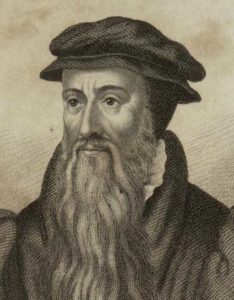
Founded in 1993, we have over three decades of leadership in Reformation and Early Modern History. We are located in historic St Andrews, the theatre for many of the dramatic episodes of the Reformation in Scotland: John Knox’s first Protestant sermon; the international conflict acted out in the siege of St Andrews castle; the civil war parliament of 1645-6. Visible traces of these events can be found in the townscape of St Andrews today: its streets; castle; and cathedral; the home of the oldest University in Scotland, founded in 1413.
The Institute draws strength from this unique legacy of an era when religion, society, culture, politics, warfare, diplomacy, and intellectual life were transformed. Enriched by this heritage, we are cutting-edge in our scholarship, partnerships, and public engagement, and cultivate a distinguished tradition of excellence in Reformation studies and the history of the early modern world.
The Institute enjoys a long tradition of international openness, connected with scholars, institutions, students, and alumni from around the world. We have a lively postgraduate community of Masters and Doctoral students, and our alumni have progressed to a range of careers within and beyond academia.
What We Do
We build community and support scholars who work on Reformation and Early Modern topics in a range of ways:
- Our fortnightly research seminars bring international and British scholars to St Andrews, to present on new works and get to know our students and community. These events anchor our year and offer valuable training, networking, and socializing for postgraduate students and early career scholars.
- We offer a 12-month masters’ degree, the MLitt in Reformation Studies and Early Modern History, famous for its small-group teaching, its culture of close supervision and conversation between staff and students, and its ability to specialise according to individual interests.
- We invite a leading historian to offer our annual Reformation Day lecture, and to get to know our students and early career scholars during their visit.
- We bring a world-leading scholar in a Reformation field to spend a semester with us as a Cameron fellow, engaging with students and staff throughout their time here. Previous fellows include Sara Beam, Janine Lanza, David Whitford, Howard Louthan, and many others.
- We publish high-quality, original research in the field of early modern religious history through the St Andrews Studies in Reformation History book series, with over 150 titles.
- We host major conferences, such as the Reformation Studies Colloquium, whose next meeting will take place in St Andrews in 2028.
Call for applications: Cameron Fellowship
The Department of Modern History at the University of St Andrews invites applications for the Cameron Fellowship in Early Modern History, to be taken up during either semester of the academic year 2027-2028.
The Fellowship is open to any academic in a permanent university post with research interests in any aspect of early modern history to c.1780. The financial aspect of the fellowship is a subsidy (up to £4000) towards the cost of travel to St Andrews and accommodation during their stay. The successful applicant is normally someone enjoying research leave from their own institution. The Fellowship carries with it no teaching duties; instead, the Fellow is expected to take part in the normal seminar life of the community of early modern historians during their stay in St Andrews. Fortnightly seminars, held on a Thursday evening, run from September to December, and February to May. You will also be invited to lead a workshop on your chosen research theme during your stay. Fellows are provided with computing facilities and office space in one of the buildings occupied by the department. The University Library and Martyrs’ Kirk have excellent collections for early modern historians.
To apply, please send the following materials to the Co-Directors of the Institute of Reformation Studies and Early Modern History, Professor Emily Michelson ([email protected]) and Dr Jacqueline Rose ([email protected]):
- A letter of application
- A scheme of research for the project on which you will be engaged during your time in St Andrews
- A CV
- The names of two academic referees who should be asked to send references by the closing date.
Please send your application by 5pm (UK time) on 14 December 2026. Previous applicants should not be deterred from applying.
Further enquiries may be addressed to the Co-Directors of the Institute at the above email addresses. We look forward to receiving your applications.